Celtic Knot Pattern. Retro Irish Braid O
As a designer who spends half my life staring at stitch charts and the other half worrying about how thread tension affects fabric grain, I don’t just look at a design file; I look at its potential to survive the hoop. When I first pulled up Celtic Knot Pattern. Retro Irish Braid O, my immediate thought wasn’t about the aesthetic alone—it was about execution. In the world of machine embroidery design, there is a fine line between a beautiful vector and a nightmare of tangled threads. This piece sits comfortably on the functional side of that line, offering a robust visual anchor that translates well from screen to fabric.
First Impressions: The Mood and Visual Weight
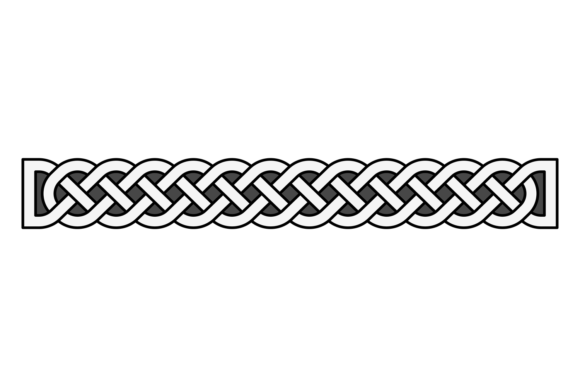
The title suggests a specific era, and the design delivers. It isn’t your standard, overly intricate Celtic knot that requires a microscope to appreciate. Instead, it carries a retro irish braid ornament vibe—bold, rhythmic, and slightly simplified in a way that screams readability. For an Etsy seller or small shop product creator, this distinction is crucial. Customers scrolling through feeds need to recognize the motif instantly. The isolated nature of the graphic on the original white background ensures that when you pull it into your digitizing software or place it directly onto a garment, nothing gets lost in the noise.
The visual personality here is grounded. It feels traditional yet accessible. It doesn’t try too hard to be modern minimalism, nor does it get bogged down in archaic complexity. This makes it incredibly versatile for custom apparel. Whether you are aiming for a heritage brand aesthetic or a fun, festive look, this design provides a solid foundation. It creates a mood of craftsmanship and history, which resonates strongly with buyers looking for handmade products with a story.
Real-World Application: From Screen to Stitch
Let’s talk about where this actually lives. I recently envisioned using Celtic Knot Pattern. Retro Irish Braid O for a batch of custom embroidered tote bags for a local craft fair. The goal was to create a tote bag design that felt substantial enough to justify a higher price point but simple enough to produce quickly. Because the braid pattern has a natural flow, it lends itself beautifully to linear placements along the handles or as a border across the bottom of the bag. It works as a standalone statement piece without needing excessive filler elements.
However, its utility extends far beyond canvas totes. I see this embroidery project thriving on heavy cotton sweatshirts during the colder months. The retro braid motif pairs exceptionally well with thick jersey fabrics, creating a tactile contrast that elevates a basic hoodie into a boutique item. Imagine this stitched in a deep forest green or mustard yellow on a black crewneck—the thread colors would pop against the dark fabric, creating a high-end look that customers associate with quality commercial embroidery.
For those selling digital assets, this graphic also serves as a strong base for printable mockups. If you are designing digital planners or wall art that incorporates textile textures, this clean, isolated vector allows for easy integration. It bridges the gap between flat Illustrations and tangible Graphics that feel like they could be stitched.
Where Caution Is Required
No design is perfect for every surface, and being honest about limitations builds trust with your audience. While Celtic Knot Pattern. Retro Irish Braid O is robust, it demands respect in certain scenarios. Avoid attempting this on highly textured fabrics like bouclé or heavily distressed denim unless you have a very specific artistic vision. The texture can obscure the clean lines of the braid, making the stitch density appear uneven or muddy.
Similarly, be cautious with stretchy fabrics like thin spandex blends. Braided patterns rely on structural integrity. If the fabric stretches under the needle, the symmetry of the knot can distort, leading to puckering. For these materials, a lighter running stitch outline might be preferable over a dense fill, though you would need to digitize it carefully to maintain the shape. Also, consider the hoop size. If you are working on a small area, such as a breast pocket or a tiny embroidered patch, ensure the details remain legible. Tiny corners in complex knots can sometimes blur if the resolution isn’t high enough or if the stitching is too tight.
Practical Designer Notes for Success
Before committing this design to a final finished product, I always recommend a rigorous testing phase. First, test the design on scrap fabric that matches your final material. This helps you gauge how the fabric texture interacts with the thread. You want to ensure that the satin stitch edges (if applicable) lay flat and don’t dig into the fabric.
Check your stabilizer choice carefully. For a design with this much visual weight, a cut-away stabilizer is often best for garments that will undergo frequent washing, ensuring the integrity of the embroidery file remains intact over time. If you are producing personalized gifts, such as baby clothes or nursery decor, make sure the thread colors are soft yet distinct. A high-contrast check in black and white mockups can help you verify that the design holds up even without color, proving its strength as a structural element.
Furthermore, inspect the small details closely. Does the braid overlap cleanly? Are there any gaps that might look like errors rather than intentional spacing? Confirming these nuances before mass production prevents returns and negative reviews. Also, remember to check whether the design works for both personal use and commercial embroidery projects. Always confirm licensing terms if you plan to sell items made with this asset, especially if you are a craft business owner relying on repeat sales.
Final Verdict on Value and Appeal
Ultimately, Celtic Knot Pattern. Retro Irish Braid O succeeds because it balances tradition with usability. It enhances brand consistency for businesses that want to evoke a sense of heritage and care. It boosts buyer engagement because the design is recognizable and appealing without being overwhelming. It adds value to a holiday gift or a wedding gift by suggesting that the maker put thought into the aesthetic choices.
For the creative entrepreneur looking to expand their catalog, this design offers a reliable option for apparel decorators and makers who need a go-to motif that performs well. It is not just a pretty picture; it is a functional tool for building a reputation for quality. By respecting the technical requirements of embroidery and leveraging the strong visual identity of the retro braid, you can create small business merchandise that stands out in a crowded market. Just remember: the best designs are those that are tested, trusted, and tailored to the fabric they inhabit.