Retro Easter Bunny Embroidery Design Review
As a designer who spends more time staring at stitch patterns than actual art, I approach every new embroidery file with a mix of excitement and skepticism. The market is flooded with clipart that looks cute on screen but falls apart under the needle. When I pulled up Retro Easter Bunny, I didn’t just see a graphic; I saw potential for a tangible product. This isn’t just about aesthetics; it’s about whether this design can survive the rigors of real-world embroidery, from the hoop to the hanger.
First Impressions: Mood and Visual Personality
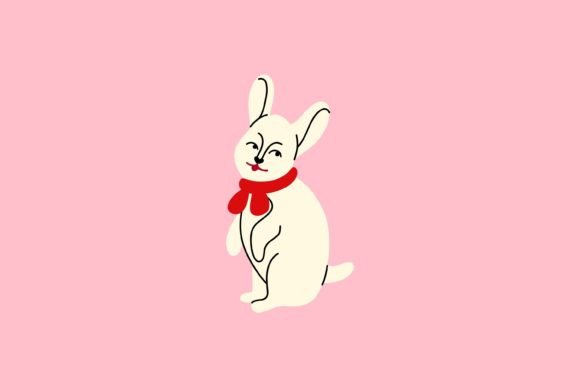
The moment you load the assets into your digitizing software or design program, the vibe hits you. It’s not your typical pastel, saccharine spring motif. The title says it all: Retro. There is a distinct visual personality here—a nod to mid-century graphics, perhaps some vintage typography influences, or a stylized character design that feels timeless rather than trendy. For an Illustrations category item, it stands out because it has weight. It doesn’t feel like a fleeting digital trend; it feels like a piece of design assets that could anchor a brand identity.
The layout is clean, which is crucial for embroidery. Too much detail in a static image often translates to muddy stitching. Here, the shapes appear bold enough to hold their own against fabric texture. Whether you are aiming for a handmade product line or a custom apparel collection, this design offers a strong focal point. It creates a mood that is playful yet sophisticated, making it suitable for customers who want something unique for their wardrobe or home decor without looking childish.
Real-World Application: From Screen to Stitch
Let’s talk about where this actually lives. I imagine Retro Easter Bunny most strongly on a heavyweight cotton tote bag. Why? Because the retro aesthetic pairs beautifully with natural fabrics. Imagine a beige canvas bag with this design centered, stitched in high-contrast threads. It becomes a statement piece, perfect for an Etsy seller looking to boost engagement through distinctive branding.
Beyond bags, consider its versatility across different mediums. This machine embroidery design would translate exceptionally well to a crewneck sweatshirt. The nostalgic feel complements the comfort of knitwear, creating a cozy, gift-ready item. Think about holiday gifting season. A personalized gift featuring this bunny isn’t just another plush toy; it’s a wearable memory. It works equally well as an embroidered patch on a denim jacket or a baseball cap, adding a touch of whimsy to streetwear.
I also see potential in the home goods sector. A pillow cover or a kitchen towel featuring this design brings a cheerful, curated look to modern kitchens or nurseries. If you are a small shop product creator, this design bridges the gap between seasonal decor and year-round appeal. It’s not so specific to one day that it expires immediately after April 1st; the retro style gives it longevity.
Where to Exercise Caution
However, no design is universal. There are specific scenarios where Retro Easter Bunny might struggle if not handled with care. If you plan to use a small hoop size, you need to scrutinize the fine details. Tiny elements can get lost or distorted if the stitch density is too high for the available space. Always test on scrap fabric first to ensure that intricate lines remain crisp.
Fabric choice is paramount. This design likely relies on solid fills or defined outlines. On textured fabrics like bouclé or heavy tweed, the definition will soften significantly. Similarly, stretchy knits require proper stabilization to prevent puckering. If you are working with dark fabric, ensure your thread colors have enough contrast. A light-colored bunny on black might wash out unless you use a dense underlay or a contrasting backing. Avoid placing complex details on curved surfaces like caps unless you are experienced with multi-hooping techniques, as distortion can ruin the symmetry.
Technical Considerations for the Designer
Before committing to a production run, there are technical checks every professional must perform. First, inspect the stitch density. Is it balanced? Too dense, and the fabric will pucker; too sparse, and the base material will show through. Check the transition between satin stitch borders and fill stitch areas. Smooth transitions indicate quality digitization, while abrupt changes can lead to thread breaks or messy edges.
Color planning is another critical step. Even though the source files (EPS, SVG, JPG) provide the visual guide, embroidery is tactile. Use a physical thread chart to verify how your chosen thread colors interact with your target fabric. A color that looks vibrant on a backlit monitor may appear dull on matte cotton. Additionally, review the design in black and white mockups to check for value contrast. If the design lacks tonal variation, it may lack depth when stitched.
Don’t forget the stabilizer. Depending on the fabric weight, you may need cut-away stabilizer for durability, especially for items like tote bag design elements that will be carried and washed frequently. Tear-away might suffice for lightweight baby clothes, but stability is key for maintaining the shape of the embroidery project.
Commercial Viability and Brand Value
For the craft business owner, the value of a design extends beyond its appearance. Does it elevate the perceived value of the finished product? Yes. A well-executed retro design signals professionalism and attention to detail. Customers trust brands that present cohesive, high-quality visuals. When a buyer sees a polished finished product, they are more likely to leave positive reviews and return for future purchases.
This digital embroidery file fits seamlessly into a catalog of design assets. It allows for easy customization. You can swap thread colors to match seasonal palettes or combine it with other elements to create larger compositions. For an Etsy seller, having versatile designs that can be marketed across multiple niches—apparel, home decor, gifts—maximizes your ROI on a single purchase.
Finally, always confirm licensing terms. While the description mentions formats and resolution, commercial rights vary. Ensure you have the legal right to sell finished items made from this Graphics asset. Transparency builds customer trust and protects your business from potential disputes.
Final Verdict
Retro Easter Bunny is more than just a seasonal clipart; it is a functional, stylish component for serious makers. Its retro charm offers a unique alternative to generic holiday motifs, appealing to customers seeking authenticity and design integrity. By paying attention to fabric choices, stitch quality, and proper testing, you can transform this digital file into a profitable, beloved part of your collection. It is a smart addition for any designer looking to blend nostalgia with modern craftsmanship.