Vintage Door Embroidery Design Review
As a designer who spends more time staring at stitch charts than actual blueprints, I approach every new graphic with a healthy dose of skepticism. We have all seen the endless streams of generic clipart flooding marketplaces, but Hand Drawn Vintage Front Wooden Doors caught my eye for a different reason. It isn’t just another vector; it feels like a narrative waiting to be stitched. Before committing this design to fabric or listing it as a digital asset, I wanted to break down exactly how this illustration translates from screen to hoop, and whether it holds up under the scrutiny of real-world embroidery projects.
The First Impression: Mood and Composition
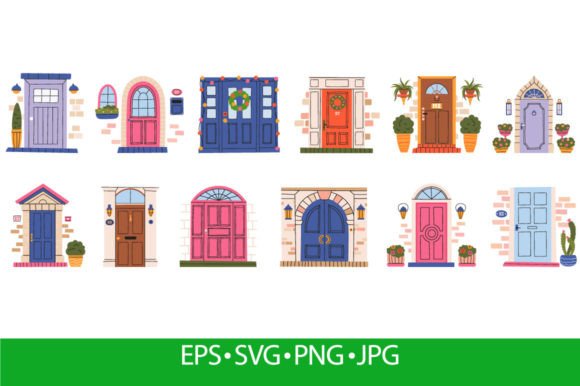
The immediate appeal of Hand Drawn Vintage Front Wooden Doors lies in its authenticity. In a sea of clean, geometric lines, this piece offers the warmth of hand-drawn imperfection. The illustration captures the essence of a retro home entrance, complete with the character of weathered wood and classic architectural details. For an embroiderer, this visual personality is gold. It suggests a story—perhaps a cozy cottage, a historic apartment building, or a beloved family home.
From a layout perspective, the composition is balanced without being rigid. The focus remains squarely on the doors themselves, making it an ideal candidate for central placement on garments or home goods. The "closed" nature of the doors adds a layer of mystery and privacy, which resonates deeply with buyers looking for personalized gifts that feel intimate and secure. It creates a mood of nostalgia and comfort, setting the stage for products that prioritize emotional connection over flashy trends.
Real-World Application: Where This Design Shines
I recently tested the concept of Hand Drawn Vintage Front Wooden Doors on a custom embroidered tote bag design for a local boutique client. The goal was to create a sustainable, stylish accessory that appealed to lovers of vintage aesthetics. When digitizing this graphic, I found that it performs exceptionally well as a standalone motif on canvas or heavy cotton blends. The sturdy fabric supports the weight of the threads, allowing the intricate details of the door panels and handles to stand out clearly.
Beyond totes, this design has serious potential in the realm of custom apparel. Imagine a crewneck sweatshirt featuring this door centered on the chest, perhaps paired with subtle text like "Home Sweet Home" or coordinates below. The contrast between the soft knit of the sweatshirt and the structured look of the wooden door creates a tactile harmony that customers love. It also works beautifully as an embroidered patch for denim jackets or backpacks, adding a touch of rustic charm to utilitarian items.
For Etsy sellers and small business owners, this graphic is a versatile asset. It fits perfectly into seasonal collections. During the holidays, it can serve as a charming backdrop for gift tags or kitchen towels. In spring, it evokes the feeling of fresh beginnings and open houses. As a digital product seller, offering this as part of a larger set of house-themed graphics allows you to bundle products effectively, increasing perceived value for your buyers.
Technical Considerations and Stitching Challenges
While the artistic merit is high, we must talk about the technical execution. Not all designs translate equally well to thread. With Hand Drawn Vintage Front Wooden Doors, attention to detail is paramount. If you are planning to use this for commercial embroidery or large-scale production, you need to evaluate the stitch density carefully.
- Small Details: The hinges, knobs, and wood grain textures contain fine lines. On a small hoop size, these elements may merge into indistinct blobs if the resolution is too low or the stitching is too dense. Always inspect small details closely before finalizing the file.
- Fabric Texture: This design relies on clear definition. On highly textured fabrics like bouclé or thick chenille, the nuance of the hand-drawn style might get lost. Stick to smoother surfaces like jersey, twill, or flat-weave cotton for the best results.
- Thread Colors: To capture the "vintage" feel, you will likely need a palette of earthy tones—browns, creams, muted greens, or deep reds. Ensure there is sufficient contrast between adjacent colors. A common mistake is using similar shades for the door frame and the panels, which reduces visual clarity.
Another critical factor is the choice of stabilizer. Because this design likely involves both satin stitch for outlines and fill stitch for the wood panels, stability is key. Using a cut-away stabilizer is recommended for garments that will undergo frequent washing, ensuring the design does not pucker or distort over time. For temporary items like tea towels, a tear-away might suffice, but precision is harder to maintain.
Where to Exercise Caution
There are specific scenarios where this design might struggle. Avoid placing it on stretchy fabrics like spandex blends unless you are using a strong stabilizer, as the tension could cause the door shape to warp. Similarly, curved surfaces like baseball caps require careful digitization to prevent the rectangular structure of the door from distorting unnaturally. If you attempt to add tiny lettering around the door, ensure the font size is large enough to remain legible after stitching; otherwise, the design becomes cluttered and hard to read.
Impact on Brand and Customer Perception
In the handmade market, presentation is everything. A well-executed embroidery project based on Hand Drawn Vintage Front Wooden Doors signals professionalism and care. Customers associate detailed, thoughtful designs with higher quality and durability. When a buyer sees the crisp lines and thoughtful color choices, they perceive greater value in the finished product.
This design also enhances brand consistency for shops focused on rustic, farmhouse, or vintage themes. By using consistent visual language across your product line—from tote bag design elements to nursery decor—you build a recognizable identity. Furthermore, because the subject matter is universal (everyone understands the concept of a front door), it appeals to a broad audience, from homeowners to renters, making it a safe yet distinctive choice for inventory.
Final Verdict and Practical Tips
Hand Drawn Vintage Front Wooden Doors is a strong contender for any designer’s library. Its charm lies in its simplicity and emotional resonance. However, success depends entirely on execution. Before launching a full collection, I strongly advise testing the design on scrap fabric first. Check the thread color contrast under different lighting conditions and review the stitch density to ensure no areas are too thin or too thick.
Consider creating black and white mockups to test the silhouette integrity. Does the door shape read clearly even without color? If so, you have a winner. Also, remember to verify licensing terms if you plan to sell finished items or use this in commercial projects. Confirm whether the purchase grants you rights to produce physical goods or if it is limited to personal use.
Ultimately, this design bridges the gap between digital art and tangible craft. It invites the maker to bring a static image to life through texture and thread. Whether you are creating a personalized gift for a friend moving into a new home or stocking your shop with small shop product ideas, Hand Drawn Vintage Front Wooden Doors offers a reliable foundation for beautiful, meaningful work. Treat it with respect, digitize it with precision, and it will reward you with customer satisfaction and repeat business.