Burst Drawing. Retro Style Stamp. Round
When I’m scouting for a new machine embroidery design, I am rarely looking for something that screams for attention. Usually, I want something that feels established, timeless, and ready to be part of a brand’s visual language. That is exactly how I felt when I first pulled up Burst Drawing. Retro Style Stamp. Round. It doesn’t try too hard. It sits comfortably in that sweet spot between vintage nostalgia and modern minimalism, making it an incredibly versatile asset for any craft business or personal project.
As an experienced designer, my job isn’t just to stitch; it’s to anticipate how a digital file will translate into physical reality. A beautiful vector on a screen can fall apart under the needle if the structure isn’t sound. In this review, I’m breaking down Burst Drawing. Retro Style Stamp. Round from the perspective of real-world application, looking at everything from fabric choice to end-product value.
First Impressions: The Mood and Visual Personality
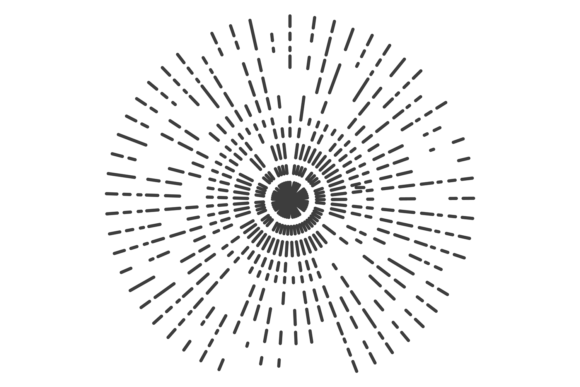
The moment you see the isolated emblem, you understand the intent. The "burst" motif is a classic graphic design staple, often associated with mid-century advertising, diner culture, and retro branding. By rendering it as a round stamp, the design gains a sense of authenticity. It feels stamped on, rather than printed. This texture implication is crucial for embroidery because we are working with thread, which naturally adds dimension and shadow.
The layout is clean. There is no clutter. For an embroidery project, simplicity is often your best friend. Complex backgrounds can turn into a tangled mess of stitch density, but a bold, geometric burst allows the eye to rest while still providing enough detail to look professional. The visual personality here is confident yet approachable. It suggests quality without being loud. This makes it perfect for brands that want to convey heritage, reliability, or artisanal craftsmanship.
Real-Life Application: Where Does It Shine?
I recently tested this concept mentally against several common product categories to see where Burst Drawing. Retro Style Stamp. Round would truly excel. Here is where I see the highest potential for success:
- Custom Apparel & Sweatshirts: A round stamp looks fantastic centered on the chest of a heavyweight cotton sweatshirt. It anchors the garment. When paired with a chunky knit texture, the smooth lines of the burst create a pleasing contrast. It works especially well for sweatshirt embroidery targeting streetwear or casual lifestyle brands.
- Tote Bags and Canvas Goods: This is perhaps the most natural home for this design. Canvas has a rougher weave that mimics the look of a rubber stamp. Placing a retro burst on a natural-colored tote bag instantly elevates it from a plain accessory to a branded statement piece. It’s a staple for any tote bag design library.
- Applique Design Opportunities: While this is primarily a line-art style burst, it lends itself beautifully to appliqué techniques. Imagine cutting out the burst shape from a contrasting fabric and stitching around the edges with a satin stitch. This adds significant depth and turns a simple graphic into a tactile handmade product.
- Baby Embroidery and Nursery Decor: Don’t underestimate the power of retro styles in nurseries. Soft pastels applied to this sharp, geometric burst create a charming juxtaposition. It works wonderfully on burp cloths, muslin blankets, or small wall hangings. The round shape is safe and friendly, avoiding any harsh angles that might feel aggressive in a baby’s space.
- Embroidered Patches: Because the design is self-contained within a circular boundary, it requires very little finishing work. You can easily add a blanket stitch border to turn it into a high-quality embroidered patch. These are huge sellers on Etsy and at craft fairs, allowing customers to attach them to jackets, bags, or hats.
Technical Considerations for the Embroidery Designer
Before you send this file to your multi-needle machine, there are practical steps you must take. Even the best design assets require preparation to ensure a flawless finished product.
- Test on Scrap Fabric: Always run a test stitch-out. The way the threads lay on polyester twill will differ significantly from their behavior on organic cotton or fleece. Look for puckering, especially in the dense areas of the burst rays.
- Check Stitch Density: Review the stitch density in your digitizing software. If the rays of the burst are too thin, they may disappear into the fabric. If they are too thick, the design may become stiff and uncomfortable to wear. Adjusting the underlay stitches is critical for maintaining the crispness of the geometric lines.
- Hoop Size Confirmation: Ensure the final stitched size fits your intended hoop. A large burst might require a 7x10 inch hoop, which limits where you can place it on certain garments like children’s shirts or small caps. Confirm the hoop size early to avoid resizing issues that could distort the aspect ratio.
- Thread Color Contrast: The effectiveness of a stamp design relies heavily on contrast. On dark fabrics, light threads will pop, but you may need a higher density to prevent the fabric color from showing through. On light fabrics, dark threads provide clarity. Test your thread colors against your actual inventory fabric.
- Stabilizer Selection: Use the proper stabilizer for your fabric type. Woven fabrics generally need cut-away stabilizer for durability, especially if the item will undergo frequent washing. Knits may require tear-away or wash-away options depending on the weight of the garment.
Pitfalls to Avoid
While this design is robust, it is not indestructible. There are specific scenarios where Burst Drawing. Retro Style Stamp. Round might struggle:
- Small Hoop Sizes: If you attempt to reduce this design too much, the individual lines of the burst may merge together, losing the "stamp" effect. Keep the minimum diameter reasonable to preserve legibility.
- Textured or Stretchy Fabrics: Highly textured fabrics like terry cloth or loose-weave knits can obscure fine details. Similarly, stretchy fabrics like spandex blends can cause the design to distort during stitching if not hooped perfectly tight with adequate support.
- Curved Surfaces: While possible, embroidering a flat, geometric stamp onto a curved surface like a baseball cap can result in warping unless you use a specialized cap frame and adjust the design for curvature. For beginners, flat surfaces are safer.
- Dense Stitch Areas: If the original file has overly dense fill stitches, it may become too stiff for delicate items like baby clothes or lightweight tea towels. Check the file properties before committing to these softer materials.
Impact on Brand and Customer Perception
Using a well-executed retro stamp design does more than just decorate a product; it communicates values. Customers associate the "stamp" aesthetic with authenticity and handcrafted care. When a buyer sees Burst Drawing. Retro Style Stamp. Round on a small shop product, they perceive higher value compared to a generic print. It signals that attention was paid to the details.
For Etsy sellers and digital product sellers, this versatility is key. The same design can be used for a holiday embroidery collection (perhaps with seasonal colors), a wedding gift set (with elegant monochromatic threads), or everyday custom apparel. This flexibility increases the ROI on your initial investment in the design assets.
Final Verdict
Burst Drawing. Retro Style Stamp. Round is a smart, adaptable choice for any designer looking to add a touch of vintage flair to their portfolio. It respects the limitations of embroidery while maximizing visual impact. Whether you are creating a one-off personalized gift for a friend or building a catalog of commercial embroidery files for resale, this design holds its own.
Remember to always check licensing terms before selling finished items or distributing the digital embroidery file. Verify that the EPS, JPG, SVG, and transparent PNG sources provided align with your commercial needs. With proper testing and thoughtful execution, this retro burst is poised to become a staple in your embroidery project toolkit.