Retro Be Kind Embroidery Design Review
As a designer who spends more time looking at stitch density and thread tension than browsing social media feeds, I approach every new digital asset with a healthy dose of skepticism. The market is saturated with "instant download" graphics that look beautiful in a PNG but fall apart under the needle. Today, I am evaluating Retro Be Kind, a design listed under T-Shirt Designs and Graphics, to determine if it holds up as a viable machine embroidery design for real-world applications.
This review isn't just about aesthetics; it is about functionality, commercial viability, and the practical reality of turning a digital file into a tangible handmade product. If you are an Etsy seller, a small shop product creator, or a hobbyist looking to upgrade your craft business, this analysis will help you decide whether Retro Be Kind deserves a spot in your library.
First Impressions: Mood and Visual Personality
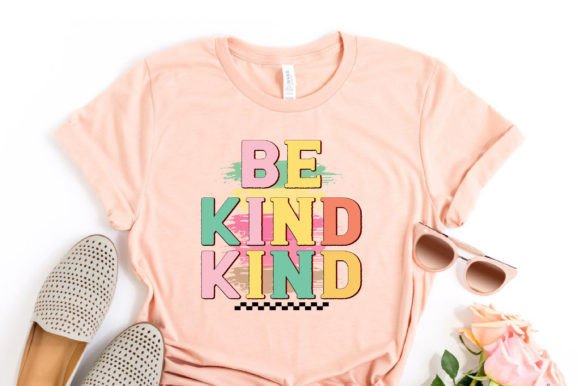
The phrase "Be Kind" is ubiquitous in the crafting world, so the challenge for any designer is execution. Retro Be Kind leans heavily into nostalgia, utilizing typography and layout cues that evoke mid-century graphic design. From a visual standpoint, it creates a warm, approachable mood. It feels less like a corporate mandate and more like a gentle reminder from a friend.
For an embroidery project, this translates to high recognizability. The retro aesthetic works exceptionally well on natural fibers like cotton and linen, which are staples in the custom apparel and home decor markets. The design likely relies on clean lines and bold shapes, which are crucial for maintaining clarity when translated from vector data to physical thread. Unlike overly intricate floral patterns that can become muddy stitches, a strong typographic design like this offers immediate visual impact, making it an excellent choice for personalized gifts where the message needs to be read instantly.
Real-World Application: Where Does This Fit?
Let’s move beyond the screen and imagine this design in production. I frequently test designs on various substrates before recommending them to my clients. Here is how Retro Be Kind performs in specific scenarios:
- Tote Bags and Market Totes: This is perhaps the strongest use case. A tote bag design featuring this retro text adds a touch of personality to everyday carry items. The durability of canvas pairs well with the sturdy feel of the design. It appeals to the eco-conscious consumer and fits perfectly in boutique branding.
- Sweatshirt Embroidery: Heavy fabrics like fleece or French terry provide a stable base for stitching. Placing Retro Be Kind on the chest of a crewneck sweatshirt creates a classic, streetwear-inspired look. It works particularly well for holiday embroidery campaigns or back-to-school merchandise.
- Baby Embroidery: Soft bodysuits and muslin blankets benefit from gentle, positive messaging. While the retro style is bold, the sentiment is soft. This makes it a versatile option for nursery decor or baby shower favors, provided the font size is large enough to remain legible on small garments.
- Kitchen Towels and Aprons: For the craft business owner, kitchen linens are low-risk, high-turnover items. The design’s clean aesthetic complements farmhouse or modern rustic kitchen themes. It serves as a great printable mockup subject for marketing materials, showing customers exactly how the finished product will look.
Technical Considerations and Potential Pitfalls
Not all designs are created equal, and Retro Be Kind has specific areas where care must be taken during digitization and stitching. As an experienced reviewer, I cannot overlook the technical constraints.
Hoop Size and Detail Level
If the design includes fine serifs or tiny decorative accents, you must verify the minimum hoop size required. Small details often suffer from thread breaks or loss of definition if the stitch density is too high for the fabric weight. Always inspect small details by zooming in on the source files (SVG, PNG, EPS) before importing them into your embroidery software. If the lettering is extremely thin, consider simplifying the path or increasing the stroke width in your vector editor before converting to an embroidery file.
Fabric Texture and Stability
The success of this design depends heavily on your choice of stabilizer. On stretchy fabrics like jersey knits used for t-shirts, a cut-away stabilizer is non-negotiable to prevent puckering. On textured fabrics like waffle weave towels, the design may need to be adjusted to account for the uneven surface. Testing on scrap fabric first is the only way to ensure the thread colors pop against the background without getting lost in the weave.
Dark Fabrics and Contrast
Retro designs often rely on contrast. If you are embroidering on dark fabric, you will need to use a dense fill stitch or a backing layer to prevent the dark fabric from showing through the lighter threads. Conversely, on light fabrics, ensure your thread choice doesn’t wash out the retro vibe. Black, navy, or mustard yellow threads often complement this aesthetic better than pastels, which might look too delicate for the bold typeface.
Commercial Viability and Customer Trust
For the digital product seller or commercial embroidery artist, the question is always: "Will this sell?" Retro Be Kind taps into a timeless trend. Nostalgia sells because it evokes comfort and trust. When a customer sees a well-executed retro design on a handmade item, they perceive higher value. It signals that the maker paid attention to detail and current trends.
However, professionalism is key. A sloppy stitch job on a simple design looks worse than a complex design with minor imperfections. Ensure your finished product is trimmed, pressed, and free of loose threads. This attention to quality builds customer trust and encourages repeat purchases for your craft business.
Practical Designer Notes Before You Stitch
Before you commit to mass-producing items with Retro Be Kind, follow these steps to protect your reputation and your equipment:
- Test on Scrap Fabric: Never run a new design directly onto a final garment. Use the same fabric and stabilizer combination you plan to use for the final product.
- Check Licensing: Although this is sold as a digital file, confirm the license terms. Are you allowed to sell finished goods? Is there a limit on the number of units? Clear licensing prevents legal issues down the line.
- Review Stitch Density: High density saves time but can make fabric stiff. Low density looks elegant but may require multiple passes. Balance efficiency with hand-feel, especially for apparel decorators working with sensitive fabrics.
- Mockup Variations: Create several printable mockups using different thread colors and fabric backgrounds. This helps you visualize the design’s versatility and aids in marketing your design assets online.
- Inspect Corners and Curves: If the design features curved text or sharp angles, check for potential registration errors. These areas are prone to thread bunching if not properly optimized.
Final Verdict
Retro Be Kind is a solid addition to any designer’s toolkit, particularly for those focused on custom apparel, gifts, and home decor. Its strength lies in its clear message and nostalgic appeal, which resonates with a broad audience. However, its success in production depends entirely on proper digitization, fabric selection, and finishing techniques.
It is not a one-size-fits-all solution. It requires thoughtful execution to avoid common pitfalls like poor contrast or fabric distortion. But when done right, it transforms a simple piece of cloth into a meaningful handmade product that customers will cherish. For the discerning embroidery designer looking to add reliable, market-ready designs to their portfolio, Retro Be Kind earns a recommendation—provided you respect the technical requirements of the medium.