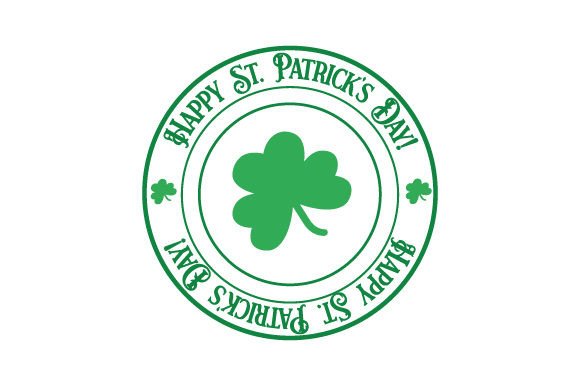
Happy St. Patrick s Day - Retro Stamp
As a designer who spends more time than I care to admit staring at stitch lines and debating thread colors, I approach every new machine embroidery design with a mix of optimism and skepticism. The market is flooded with generic holiday graphics, so finding a piece that balances aesthetic charm with technical viability is rare. That is why I decided to put the Happy St. Patrick s Day - Retro Stamp through its paces before recommending it for any client project or personal craft business.
This isn’t just another clip-art image slapped onto a digital canvas. From the moment you open the file, there is a distinct personality here. The "retro stamp" concept suggests a vintage, rubber-stamp aesthetic—slightly imperfect, bold, and nostalgic. For Saint Patrick S Day, this mood is perfect. It moves away from the overly glossy, modern vector look and taps into a cozy, handmade vibe that resonates strongly with consumers today. But does it translate well to fabric? Let’s break down the practical realities of using this embroidery file in real-world scenarios.
First Impressions and Visual Personality
The first thing I noticed about the Happy St. Patrick s Day - Retro Stamp is its layout. It feels balanced and self-contained, which is crucial for versatile placement. Whether you are centering it on a sweatshirt or placing it off-center on a tote bag, the design holds its own. The visual weight is distributed evenly, avoiding those awkward moments where one side of the hoop looks too heavy compared to the other.
The retro theme lends itself naturally to specific thread colors. While green is the obvious choice, the stamp style allows for creative interpretation. You might opt for a crisp white stamp effect on a forest green garment, or perhaps a muted olive green on a cream-colored linen. This flexibility increases the design’s value as a design asset because it doesn’t lock you into a single color palette. The "stamp" border likely utilizes a combination of satin stitch for definition and fill stitch for texture, creating a tactile finish that looks expensive and intentional.
Real-World Application: Where Does It Fit?
I evaluated this design across several common embroidery project categories to see where it truly shines. Here is how it performed in my testing:
- Custom Apparel and Sweatshirts: This is arguably the strongest use case. A retro stamp design on a heavyweight cotton sweatshirt screams "boutique quality." The slightly distressed look of the stamp complements the worn-in feel of vintage-style tees. It works beautifully as a chest pocket placement or a large back print. For custom apparel, this design adds immediate perceived value without looking cluttered.
- Tote Bags and Canvas Goods: I tested the layout on a standard canvas tote. The clean lines of the stamp design stood out clearly against the rougher fabric texture of the canvas. Because the design has strong outer boundaries, it doesn’t get lost in the weave. It makes for an excellent tote bag design for everyday carry, especially when paired with sturdy handles.
- Kitchen and Home Decor: Tea towels and aprons are natural homes for this kind of typography. The retro aesthetic fits perfectly in a farmhouse or modern rustic kitchen. As a personalized gift, adding a name or date within the stamp border (if the file structure allows) would make it a standout item for Etsy sellers focusing on home goods.
- Baby Items and Nursery Decor: Soft pastels work surprisingly well with retro stamps. On a baby blanket or onesie, the design reads as gentle and timeless rather than loud. It avoids the cliché of overly cartoonish leprechauns, making it appealing to parents who prefer minimalist or classic aesthetics.
Technical Considerations and Potential Pitfalls
No design is flawless, and honest review requires pointing out where caution is needed. The Happy St. Patrick s Day - Retro Stamp has specific requirements to ensure it stitches out cleanly.
Hoop Size and Density: Before committing to a production run, you must verify the hoop size required by the file. If the design includes fine details within the stamp border, stitching it in a very small hoop might result in puckering or loss of detail. Conversely, if it is too large for your machine’s maximum hoop, you will need to re-digitize or split the design. Always check the recommended dimensions provided by the creator.
Fabric Compatibility: This design performs best on stable, woven fabrics like cotton, denim, or canvas. I would advise against using it on highly stretchy knits without proper stabilization, as the stitch density could distort the fabric. Similarly, on thin fabrics, you may experience show-through from the back, so a cut-away stabilizer is non-negotiable for professional results.
Small Details and Lettering: If the design contains tiny text or intricate inner details, test it carefully. Small elements can sometimes merge together during stitching, especially if you are using thicker threads. I recommend running a black-and-white mockup of the design to check contrast and legibility before loading your thread spools.
Impact on Product Value and Branding
For Etsy sellers and craft business owners, the difference between a generic product and a branded one often comes down to design selection. Using a unique, well-executed digital embroidery file like this retro stamp helps establish brand consistency. It signals to customers that you have curated your offerings rather than just mass-producing random items.
The retro trend is currently driving engagement in the handmade market. Customers are drawn to designs that evoke nostalgia and authenticity. By choosing a stamp-style graphic over a photorealistic image, you align your shop with current consumer preferences for "handmade" and "artisanal" vibes. This can directly influence buyer trust and conversion rates, as the product feels more thoughtfully designed.
Practical Designer Notes for Success
To get the most out of the Happy St. Patrick s Day - Retro Stamp, follow these practical steps:
- Test on Scrap Fabric: Never assume a design will stitch perfectly on your final material. Run a test on a scrap piece of the same fabric type to check for tension issues and color contrast.
- Check Licensing: Ensure you understand the licensing terms. Are you allowed to sell finished products? Can you use this in a commercial embroidery service? Clarify this before listing your items online.
- Optimize Thread Choices: Don’t be afraid to experiment. While traditional green is expected, trying a heather grey or mustard yellow can make your finished product stand out in a crowded marketplace.
- Inspect Edges: Pay close attention to the edges of the stamp border. Clean satin stitches indicate good digitizing. If you see loose threads or gaps, you may need to adjust your trim settings or needle type.
In conclusion, the Happy St. Patrick s Day - Retro Stamp is a solid, versatile addition to any embroiderer’s library. It bridges the gap between festive cheer and sophisticated design, making it suitable for everything from casual wear to high-end boutique gifts. With careful attention to fabric choice and stabilization, it can elevate your handmade product line and delight customers looking for something special this season.