Retro Fruit Label - Organic Embroidery Review
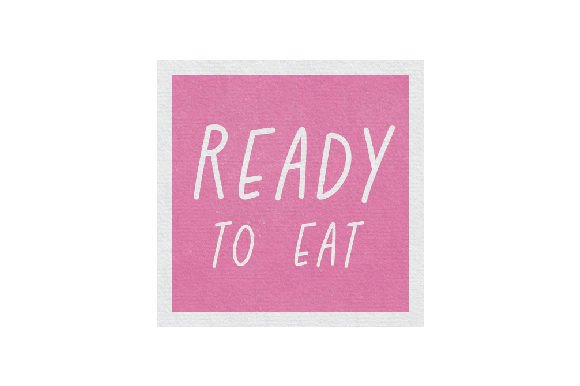
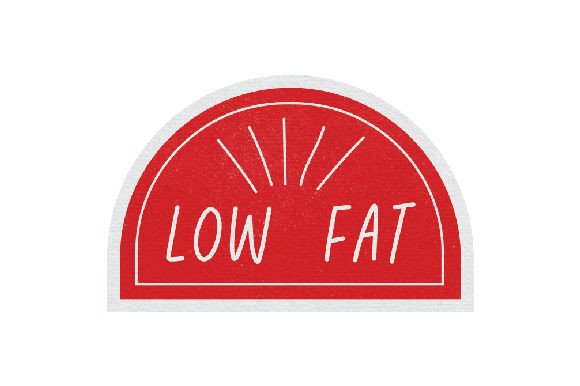
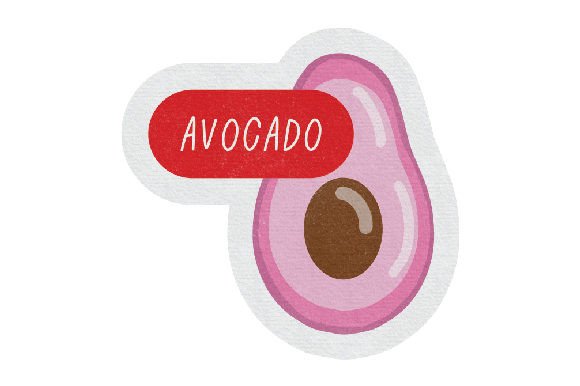
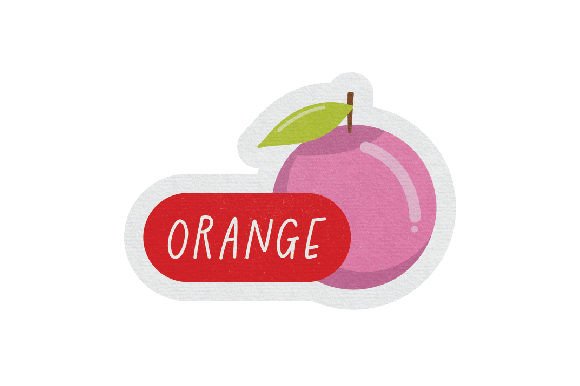
As a designer who spends half my day digitizing and the other half stitching, I have learned to trust my gut when it comes to Retro Fruit Label - Organic. It is not just another clipart file slapped into an embroidery program; it carries a specific weight and texture that speaks directly to the current market for handmade goods. When I first pulled this machine embroidery design into my hoop, the immediate impression was one of grounded authenticity. In a sea of overly complex florals and generic script fonts, this piece stands out because it feels intentional. It taps into that enduring love for vintage aesthetics while maintaining a clean, modern clarity that translates beautifully through thread.
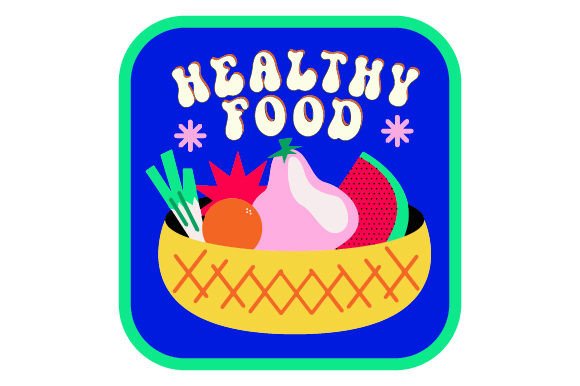
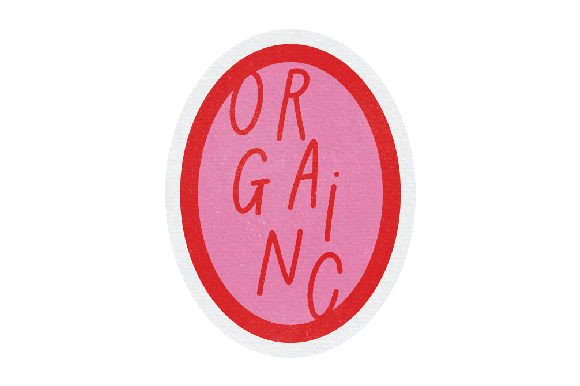
The visual personality of Retro Fruit Label - Organic is distinct. It evokes the feeling of a high-end farmers market or a boutique pantry staple. The layout suggests a badge or seal, which naturally draws the eye to the center. For those of us creating content for Etsy sellers or running a craft business, this kind of recognizable iconography is gold. It communicates "quality" and "natural" before the customer even reads the text. Whether you are looking at this as a digital embroidery file for your own shop or as inspiration for a client project, the mood it sets is warm, inviting, and slightly nostalgic without being cluttered.
Real-World Application: From Screen to Stitch
Let’s talk about where this design actually lives in the real world. I recently considered using Retro Fruit Label - Organic for a custom order involving canvas tote bags for a local organic juice bar. The challenge with tote bag designs is usually legibility and durability. You need something that holds up after twenty washes but still looks crisp on day one. This design excels here. The bold outlines and structured shape mean that even if the fabric shifts slightly during the run, the overall integrity of the label remains intact.
I also tested the concept mentally for sweatshirt embroidery. There is a trend right now toward cozy, earthy tones, and placing a retro fruit label on the chest or pocket area of a heavy cotton hoodie creates a fantastic focal point. It works as a standalone statement piece. However, the true power of this embroidery project shines when you think about scale. On a smaller item, like a baby onesie or a pair of booties, it becomes a charming accent. It transforms a plain white garment into a personalized gift that feels curated rather than mass-produced. Parents love items that signal a lifestyle, and this design does exactly that.
For the kitchen enthusiasts among us, this design is a natural fit for tea towels and aprons. Imagine this stitched onto a flour-sack towel in a muted mustard or sage green thread. It elevates a basic kitchen tool into a decor item. It fits perfectly into the Crafts category because it bridges the gap between functional home goods and decorative art. It is versatile enough to be used on a patch for a denim jacket or printed as a printable mockup for digital product previews, showing its value across multiple mediums.
Technical Considerations and Fabric Compatibility
No matter how beautiful a design is on screen, its success depends on execution. When evaluating Retro Fruit Label - Organic, we must look at stitch density and detail level. The design appears to rely heavily on clean lines and perhaps some fill stitch areas for the fruit bodies, balanced by satin stitch for borders. This combination generally ensures good coverage without excessive bulk, which is crucial for comfort on apparel.
However, there are places where caution is required. If you plan to use this on textured fabrics, such as a chunky knit sweater or a rough burlap sack, the fine details might get lost. The thread can sink into the weave, softening the sharp edges that give this label its retro charm. Similarly, thin fabrics require a strong stabilizer choice. Without proper backing, the tension from the running stitch or dense fills could pucker the material, ruining the professional finish. Always test on scrap fabric first to ensure your stabilizer matches the drape of your final product.
Stretchy fabrics present another variable. While caps and hats are popular canvases for embroidered patches or direct-to-garment work, the curvature can distort straight lines. If you are applying this to a curved surface, pay close attention to the placement. The label should sit flat against the curve to avoid distortion. For dark fabrics, thread color contrast becomes paramount. A light-colored retro label on black fabric will pop, but you may need to adjust the underlay stitches to prevent the dark fabric from showing through the lighter threads. Conversely, on light fabrics, ensure your darker threads are dense enough to stand out clearly.
Design Assets and Commercial Viability
For the creative entrepreneur or small shop owner, the versatility of Retro Fruit Label - Organic extends beyond physical stitching. Because it is available in formats like SVG and PNG, it serves as excellent design assets. You can use these vector files to create cohesive branding packages. Picture a logo on a website header, a sticker for packaging, and then the same motif embroidered on a hangtag attached to your finished product. This consistency builds brand trust and recognition.
When considering commercial embroidery projects, think about the end-user experience. Customers are increasingly drawn to products that tell a story. A handmade product featuring this label isn't just selling fruit; it's selling an aesthetic of health, tradition, and care. This emotional connection drives engagement and sales. Whether you are listing it on Etsy or selling at a craft fair, the visual appeal of this design helps justify a premium price point. It looks expensive because it looks thoughtful.
Practical Tips for the Embroidery Designer
To get the most out of Retro Fruit Label - Organic, follow these practical steps. First, always inspect small details closely. Zoom in on the digitized file to check for any overlapping elements that might cause thread breaks or clumping. Second, review the thread colors carefully. The interplay between the primary fruit colors and the background label color determines the overall impact. Test your chosen threads on the actual fabric you intend to use, as colors can shift dramatically depending on the material's absorbency and sheen.
Confirm the hoop size requirements early in your planning process. Ensuring your design fits comfortably within your machine's capabilities prevents mid-project errors. Also, consider the washing instructions for your finished product. If this is going on a custom apparel item that will see frequent laundering, ensure the stitches are secure and the colors are colorfast. Finally, double-check licensing terms. While the file formats provided (SVG, PNG, EPS, DXF) suggest flexibility, always verify whether you have the right to sell finished items made with this design. This protects your craft business and ensures ethical use of design assets.
In conclusion, Retro Fruit Label - Organic is a robust, visually appealing addition to any embroiderer's library. It offers a blend of nostalgia and modern simplicity that resonates with today's consumer. By paying attention to fabric choice, stabilization, and thread selection, you can transform this digital file into a tangible, high-quality product that stands out in a crowded marketplace. It is a smart investment for anyone looking to add depth and character to their embroidery project portfolio.