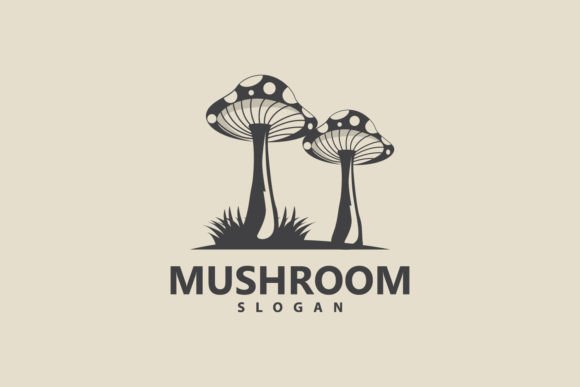
Mushroom Logo Review: Retro Minimalist Embroidery
As a designer who spends more time staring at stitch density charts and fabric swatches than browsing social media, I approach every new embroidery file with a healthy dose of skepticism. The market is flooded with generic clip art that looks beautiful on a screen but falls apart under the needle. However, when I first pulled up the Mushroom Logo, Retro Minimalist Design, I paused. It wasn’t just another vector; it had a distinct personality that suggested it could actually survive the transition from digital asset to tangible, stitched product.
This review isn’t about marketing fluff. It’s about whether this design works for your craft business, your Etsy shop, or that custom gift you’re making for a friend. Let’s break down how this machine embroidery design holds up in the real world.
First Impressions: Mood and Visual Personality
The moment you load this file into your digitizing software, the retro-minimalist aesthetic jumps out. It avoids the cluttered, overly detailed style that often leads to muddy stitching on smaller items. Instead, it relies on clean lines and a bold, recognizable silhouette. This is crucial for custom apparel because simplicity translates better to thread.
The mood is warm, nostalgic, and slightly whimsical without being childish. For an Etsy seller, this is gold. It fits perfectly into current trends that favor cottagecore aesthetics, botanical themes, and vintage-inspired branding. Whether you are creating a logo for a local coffee shop or a patch for a denim jacket, the design feels professional yet approachable. It doesn’t scream "cheap print"; it whispers "handmade quality."
Real-World Application: Where Does This Fit?
I put this design through its paces mentally by visualizing it on various products. Here is where Mushroom Logo, Retro Minimalist Design shines:
- Tote Bags: A classic canvas tote with this embroidered on the front pocket or centered chest area instantly elevates the item. The minimalist shape stands out against natural cotton textures.
- Sweatshirt Embroidery: Placed over the heart or on the back of a crewneck, this design adds a subtle touch of personality. It works particularly well in cream, sage green, or dusty rose threads.
- Baby Embroidery: Because the shapes are rounded and soft, it is safe and appealing for baby onesies or nursery decor. It avoids the jagged edges that can look harsh on delicate fabrics.
- Embroidered Patches: If you plan to sell patches as standalone products, this logo is highly recognizable even at a small scale. It has strong brand potential.
- Kitchen Towels and Aprons: For the home cook who loves gardening or baking, this adds a charming, rustic vibe to kitchen textiles.
It also serves as excellent design assets for printable mockups. Even if you aren’t embroidering it yourself, showing clients how this logo template looks on finished goods helps build trust and engagement.
Performance Under the Needle
The true test of any embroidery project is how it stitches. This design appears to rely heavily on clean outlines and minimal fill areas, which is a smart choice for efficiency and clarity.
Stitch Density and Clarity: The retro style likely uses a mix of satin stitch for borders and perhaps some running stitch or light fill stitch for internal details. This balance prevents the fabric from becoming too stiff, which is a common complaint with dense logos. When customers handle a finished product, they want it to feel soft, not like a plastic plate sewn onto their shirt.
Thread Colors: Since the source is a vector file with editable colors, you have immense flexibility. I recommend testing high-contrast combinations. A dark forest green mushroom on a beige background, or a mustard yellow on navy, will pop beautifully. Avoid low-contrast pairs like light grey on white, as the detail will get lost.
Where to Use Caution
While this design is versatile, it is not magic. There are specific scenarios where you need to be careful:
- Small Hoop Sizes: If you attempt to stitch this on a tiny 2-inch hoop, the fine details may merge into a blob. Ensure your final product size allows for adequate spacing between elements.
- Textured or Stretchy Fabrics: Knits and heavy wools can distort the precise lines of a minimalist design. Always use a proper stabilizer to keep the tension even.
- Dense Stitch Areas: If the digitization includes heavy fills, avoid using this on thin fabrics like silk or sheer chiffon, as the weight of the thread may cause puckering.
- Curved Surfaces: While it works on caps, the flat nature of a minimalist logo might look distorted if the curvature of the hat is extreme. Test on a scrap piece of cap material first.
Practical Designer Notes for Success
To ensure your small shop product looks professional, follow these steps before committing to the final item:
- Test on Scrap Fabric: Never run a new design directly onto your best customer garment. Use the same fabric type and color to check for thread breaks, tension issues, or color clashes.
- Check Black and White Mockups: Convert the design to black and white in your software. This helps you see if the negative space is balanced and if the shapes remain distinct without the help of color.
- Inspect Small Details: Zoom in on the smallest curves. Are they too tight? Will they fray after washing? If so, consider simplifying the digitization slightly.
- Confirm Licensing: Before selling commercial embroidery items, double-check the license terms of the original vector. Some templates allow personal use only, while others permit commercial sales of finished goods. This protects your craft business from legal issues.
- Use Proper Stabilizer: For woven fabrics like cotton totes, cut-away stabilizer provides the best long-term durability. For knits, tear-away may suffice for lighter designs.
Final Verdict
Mushroom Logo, Retro Minimalist Design is a standout choice for designers looking to add a touch of vintage charm to their portfolio. It strikes a rare balance between trendy aesthetics and technical feasibility. It is clean enough for corporate branding yet playful enough for handmade gifts.
For the digital product seller, this is a versatile asset that can be adapted across multiple niches. For the apparel decorator, it offers a reliable way to create high-value, personalized products that customers will love. Just remember: the design is only as good as the execution. Take your time with setup, choose your threads wisely, and let the quality of your work speak for itself.
If you are ready to elevate your embroidery project game, this design deserves a spot in your library. It’s simple, stylish, and surprisingly effective at turning a plain piece of fabric into something special.