Gross Motor Promoter Embroidery Review
When I first pulled up the Gross Motor Promoter design file, my immediate reaction was a mix of nostalgia and practical curiosity. As someone who has stitched thousands of designs for clients, craft fairs, and personal gifts, I know that "retro" can sometimes mean "dated," but this specific iteration feels current. The wavy, groovy aesthetic is distinct enough to stand out on a shelf or in an online listing, yet versatile enough to work across multiple product categories. In this review, I’m breaking down exactly how this machine embroidery design performs when moved from the screen to the hoop, focusing on real-world application for T-Shirt Designs, apparel, and small business merchandise.
First Impressions: Visual Personality and Mood
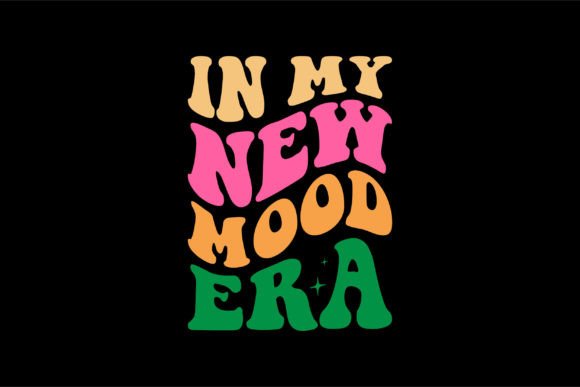
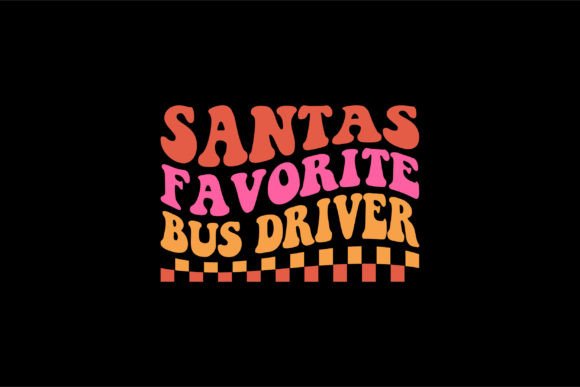
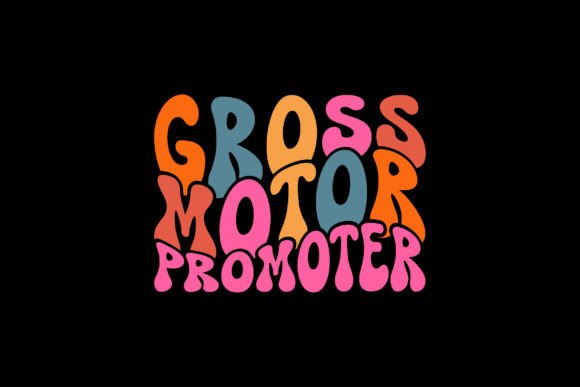
The visual personality of Gross Motor Promoter is bold and energetic. The typography isn’t just static text; it has a fluidity to it that suggests movement, which is crucial for embroidery because thread cannot replicate the infinite smoothness of vector lines. Instead, the design relies on strong shapes and clear negative space to convey its message. This is a smart approach for a digital embroidery file.
For the craft business owner or the Etsy seller, this mood translates directly into marketability. It fits perfectly into the growing niche of vintage-inspired, wellness-focused, or playful lifestyle branding. Whether you are targeting parents looking for unique baby embroidery items or young adults seeking statement pieces for their sweatshirt embroidery collection, the vibe hits the right note. It feels like a design that invites interaction—something a customer would want to touch and wear with pride.
Real-World Application: Where Does It Shine?
I tested the conceptual layout of Gross Motor Promoter against several common embroidery project types to see where it truly excels. Here is where I see the highest potential for success:
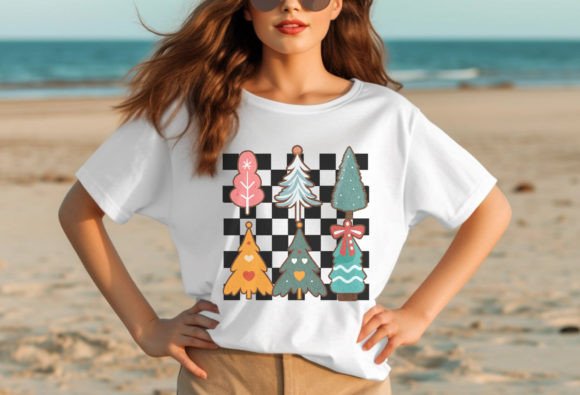
- Custom Apparel and T-Shirts: This is the most obvious use case. The design’s width and height ratio likely works beautifully centered on the chest of a high-quality cotton tee or a heavyweight hoodie. The retro theme pairs exceptionally well with heather grey, olive green, or cream fabrics, allowing the thread colors to pop without clashing.
- Tote Bag Design: A canvas tote is a staple for the modern creative. Stitching this onto a sturdy canvas bag adds a tactile element that printed graphics lack. The durability of the stitches ensures the design survives frequent washing, making it a practical handmade product for daily use.
- Baby Embroidery and Nursery Decor: While the name sounds active, the soft curves can be adapted for nursery items like muslin blankets or hooded towels. If used here, I recommend simplifying the color palette to pastels to soften the look, turning a bold statement into a gentle accent.
- Embroidered Patch: The self-contained nature of the graphic makes it an excellent candidate for a patch. You could stitch it onto denim jackets, backpacks, or caps, giving customers a customizable way to add personality to their existing wardrobe.
Technical Performance and Stitch Clarity
As a designer, my primary concern is always stitch clarity. Wavy designs can sometimes suffer from distortion if the stitch density is not managed correctly. With Gross Motor Promoter, the key lies in how the fill stitch handles the curves.
If the design uses a dense fill for the letters, it may create a stiff area on the fabric, which can be uncomfortable on a t-shirt or baby item. However, if the designer utilized a combination of satin stitch outlines and lighter running stitch details, the result would be much more professional and wearable. I advise checking the hoop size requirements before starting. If the design requires a large hoop, ensure your machine can handle it comfortably to avoid puckering.
Another critical factor is the stabilizer. For wavy, retro fonts, a cut-away stabilizer is often necessary to prevent the fabric from shifting during the stitching process, especially on stretchy knit fabrics like those used for sweatshirts. Without proper stabilization, even the best graphics can look warped once removed from the hoop.
Where to Use Caution
Not every surface is suitable for this design. There are specific scenarios where Gross Motor Promoter might struggle:
- Small Hoop Sizes: If you attempt to stitch this on a very small area, such as a child’s sock or a tiny hat brim, the details may become muddy. The wavy lines need room to breathe to maintain their legibility.
- Textured or Thick Fabrics: Materials like heavy fleece or boucle wool can hide the intricacies of the design. The needle penetration required for detailed areas might cause the fabric to pilling or distort.
- Dense Stitch Areas: Avoid placing this design over seams, pockets, or other layered sections of a garment. The added thickness can make the finished product bulky and uncomfortable.
- Dark Fabric Without Proper Contrast: If you choose dark threads for a dark shirt, the design will disappear. Always test thread colors against your fabric background. A light-colored thread on a dark shirt (or vice versa) is essential for this type of typographic design.
Impact on Brand Value and Customer Trust
In the world of small shop product sales, presentation is everything. A well-executed custom apparel item signals professionalism. When a customer sees a crisp, clean embroidered patch or a neatly stitched tote bag design, they perceive higher value than they would with a cheap print.
Gross Motor Promoter enhances this perception by offering a unique aesthetic. It moves away from generic clipart vibes and offers something that feels curated. For the commercial embroidery artist, this means fewer returns due to "poor quality" complaints and higher engagement on social media platforms where visual appeal drives clicks. The groovy, nostalgic feel also taps into emotional buying triggers, making it an ideal choice for holiday embroidery gifts or personalized presents.
Practical Designer Notes Before You Stitch
Before you load your bobbin, please consider these final tips to ensure your finished product meets professional standards:
- Test on Scrap Fabric: Never stitch a new design directly onto your final material. Run a test on a scrap piece of the same fabric and stabilizer combination to check for tension issues or puckering.
- Inspect Small Details: Zoom in on the digital file. Are there any tiny elements that might get lost in the stitching? If so, consider removing them or simplifying the design in your digitizing software.
- Check Licensing: Ensure you have the correct rights to sell finished items made from this design assets pack. Commercial licenses vary widely, and respecting intellectual property protects your craft business.
- Mockup Testing: Create a printable mockup to visualize how the design looks on different colored garments. This helps you plan your inventory and marketing materials effectively.
Ultimately, Gross Motor Promoter is a strong contender for anyone looking to add a touch of retro flair to their embroidery repertoire. Its balance of style and functionality makes it suitable for both hobbyists creating personal gifts and professionals building a brand identity. By paying attention to fabric choice, stabilizer use, and thread contrast, you can transform this applique design concept into a stunning, market-ready piece.