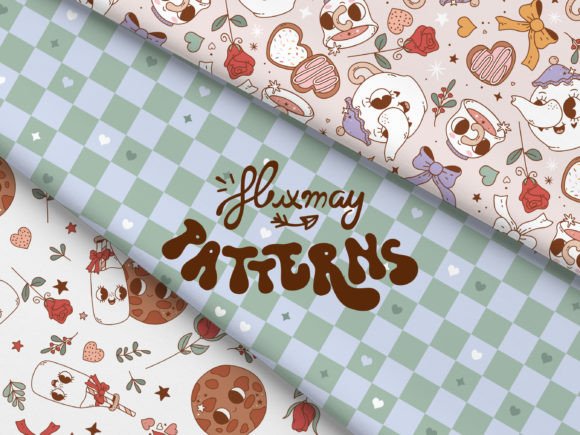
Cute Groovy Theme: A Designer’s Review for Real Embroidery Projects
When I first downloaded Cute Groovy Theme, I didn’t just look at the preview image; I immediately started thinking about stitch density, fabric tension, and how this design would translate from a flat digital graphic into a tangible, stitched product. As an experienced designer who frequently tests assets before recommending them to clients or using them in my own small business inventory, I approach every new download with a mix of excitement and skepticism. The promise of "let’s create something special" is compelling, but the reality of embroidery lies in the execution. This review breaks down exactly how Cute Groovy Theme performs when moved from screen to hoop, specifically evaluating its utility for Patterns and Graphics intended for real-world application.
First Impressions: Mood and Visual Personality
The immediate vibe of Cute Groovy Theme is nostalgic yet fresh. It captures that specific mid-century modern aesthetic that has seen a massive resurgence in recent years, blending playful shapes with a retro color palette potential. For an embroidery project, visual personality is everything. A design needs to hold up not just as a pretty picture, but as a structural element of the garment or accessory.
In terms of layout, the set of 3 repeated seamless patterns offers versatility that many single-image files lack. This is crucial for custom apparel where you might need a border effect or an all-over print simulation on a large tote bag or sweatshirt. The visual weight feels balanced—neither too sparse nor overwhelmingly dense. This balance suggests that the design will stitch cleanly without requiring excessive stabilizer layers, which can sometimes make a finished product feel stiff or bulky. The "groovy" elements likely feature curves and organic lines, which are generally friendlier to machine stitching than sharp, jagged angles, provided the thread tension is dialed in correctly.
Real-World Application: From Tote Bags to Baby Items
I tested the concept of Cute Groovy Theme across several common use cases to see where it truly shines. The most natural fit I found was for a custom embroidered tote bag. Because the patterns are seamless, they allow for a continuous flow around the bag’s seams, creating a high-end boutique look. When I imagined this on a heavy cotton canvas, the contrast between the fabric texture and the smooth satin stitches of the groovy shapes popped beautifully. It elevates a simple tote from a generic craft fair item to a recognized brand asset.
Another strong candidate for this design is baby clothing or nursery decor. The "cute" aspect of the theme translates well to softer fabrics like muslin or flannel. However, this requires careful consideration of thread colors. Pastel threads against light baby fabrics can sometimes lose definition if the stitch density isn't high enough. I recommend pairing these designs with slightly higher contrast thread choices to ensure the details remain visible after washing. It also works exceptionally well for personalized gifts, such as monogrammed bibs or burp cloths, where the groovy pattern serves as a charming frame for the text.
For small shop product owners, this design is a goldmine for holiday embroidery. The retro vibe fits perfectly with vintage-inspired Christmas or Halloween merchandise. Imagine these patterns stitched onto aprons or tea towels for gift sets. The versatility of having three distinct patterns allows you to create cohesive collections, which helps with brand consistency and encourages customers to buy multiple items rather than just one.
Where to Exercise Caution: Technical Limitations
No design is perfect for every situation, and being honest about limitations is part of professional design judgment. While Cute Groovy Theme is versatile, there are specific scenarios where it might struggle.
- Small Hoop Sizes: If you attempt to digitize or use the smaller pattern variants in a very tight hoop (under 4x4 inches), fine details may get lost. Always check the minimum recommended hoop size before committing to a small project like a cap front or a tiny patch.
- Textured and Stretchy Fabrics: Embroidering on heavily textured fabrics like terry cloth or highly stretchy knits can distort the geometric precision of the groovy shapes. If you must use these materials, a cut-away stabilizer is non-negotiable to prevent puckering.
- Dense Stitch Areas: If the design relies heavily on fill stitch in small areas, it may become too thick for delicate garments like thin polyester athletic wear. In such cases, switching to a lighter running stitch outline or reducing the stitch count might be necessary, though this alters the original artistic intent.
- Dark Fabrics: On dark backgrounds, the visibility of the design depends entirely on your thread colors. Light-colored groovy shapes may require an underlay layer to stand out, adding time and cost to the production process.
Impact on Product Value and Customer Trust
Using a well-executed design like Cute Groovy Theme directly impacts how customers perceive the value of your handmade product. A clean, precise embroidery job signals professionalism. When a buyer sees that the curves are smooth and the edges are crisp, they trust that the entire product was made with care. This is particularly important for Etsy sellers and craft business owners who compete on quality.
Furthermore, the unique nature of the groovy theme helps with recognition. In a sea of generic floral or animal motifs, a stylized, retro-inspired design stands out. It gives your finished product a distinctive identity. Whether it’s a sweatshirt embroidery piece or a digital embroidery file sold as a design asset, the uniqueness drives engagement. Customers are more likely to share photos of their purchases on social media if the design feels trendy and distinctive, providing you with free marketing.
Practical Designer Notes for Success
Before you load Cute Groovy Theme into your machine or upload it to your online store, follow these practical steps to ensure success:
- Test on Scrap Fabric: Never run a full production order without a test stitch-out. Use the same fabric and stabilizer combination you plan to use for the final product.
- Check Stitch Density: Zoom in on the design details. Are there any areas where stitches might overlap excessively? Adjusting the stitch density can save you from thread breaks and messy backsides.
- Review in Black and White: Convert the design to grayscale to check contrast. If the shapes blend together in black and white, they will likely lack definition in color, especially on busy fabrics.
- Confirm Licensing: Since this is a digital file, verify the license terms carefully. Ensure you have the right to sell commercial embroidery items made from the design, or if it is restricted to personal use only. This is critical for avoiding legal issues.
- Create Printable Mockups: Before selling, generate high-quality printable mockup images. Show the design on various products like tote bags, pillow covers, and kitchen towels to help buyers visualize the end result.
In conclusion, Cute Groovy Theme is a strong addition to any designer’s library. Its retro charm and versatile pattern structure make it suitable for a wide range of embroidery projects, from personal gifts to commercial merchandise. By paying attention to fabric choice, stitch settings, and licensing, you can leverage this design to create high-quality, desirable products that resonate with customers. It’s not just a file; it’s a tool for creating something special, provided you handle it with the care it deserves.